


After the heat comes on for the winter in Connecticut, complaints of cracked lips, static shocks, itchy skin, and gaps between floorboards start. A humidifier can help, but too much moisture creates a different set of problems.
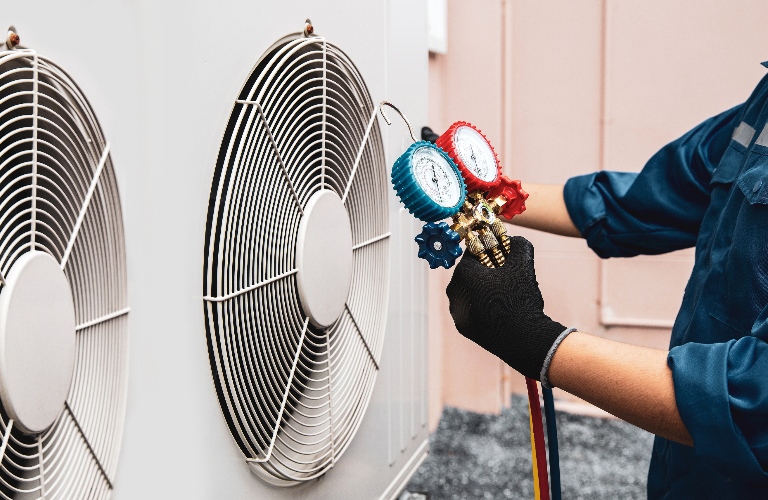
A hygrometer and a portable unit can handle a single room, but getting a whole house right is a job for an experienced HVAC professional. When the technician sets your humidifier, they can also check the flame on your burner or the condensate line to make sure your system is good to go for the season.
Why Winter Air Gets So Dry
Cold outdoor air holds very little water vapor. When that air leaks into your home and gets heated, its relative humidity drops, often decreasing indoor humidity to single digits. That’s a big reason why everyone feels parched by midwinter.
The Target Range
The U.S. Environmental Protection Agency (EPA) advises keeping indoor relative humidity below 60 percent, ideally between 30 and 50 percent.
In a cold climate, the right number shifts with the weather. HVAC manufacturer Carrier suggests setting the humidifier for 30 to 40 percent humidity during winter and dialing it down as temperatures drop. The Minneapolis Center for Energy and Environment ties the indoor ceiling to the outdoor thermometer: below 40 percent when it is 20 to 40 degrees outside, and below 35 percent when it is 10 to 20 degrees.
Why reduce humidity as it gets colder? Condensation. It is the water that forms when warm, moist indoor air meets a cold surface. On cold days, even moderate indoor humidity can condense on windows and exterior walls, and the EPA warns that persistent moisture is what allows mold to grow.
The Payoff: Comfort and Lower Bills
Properly humidified air feels warmer. Major manufacturer Trane explains that the added moisture may let you lower your thermostat and stay comfortable. That matters this winter as heating oil is averaging $6.19 per gallon, almost 75 percent higher than a year ago. The U.S. Department of Energy estimates that turning the thermostat back 7 to 10 degrees for eight hours a day can save as much as 10 percent a year on heating and cooling.
What You Can Do Yourself
Start with an inexpensive hygrometer, which shows your actual humidity instead of guessing. If you use portable units, cool-mist models are best as they avoid the burn risk created by warm-mist versions. Remember to empty and clean portable humidifiers every few days, using the type of water the manufacturer specifies.
When to Call an Expert
Your windows stay wet or frosty. Persistent condensation, musty odors, or mold in corners signal trouble. The Center for Energy and Environment notes that condensation without a humidifier running often points to inefficient windows or under-insulated walls, and that air sealing and insulation are the fix. In Connecticut, homeowners can have a technician from EnergizeCT’s Home Energy Solutions program analyze their homes and make recommendations.
Portable units can’t keep up. If readings stay below 30 percent throughout the house, a whole-house humidifier connected to your heating system may be the answer. The system needs to be sized based on your home’s square footage, air leakage, and exhaust fans, making it a job for a professional. Installation costs vary with the type of insulation and ductwork in your home.
You aren’t sure how to set it. Because the safe humidity level drops as outside temperatures fall, a whole-house humidistat needs adjusting through the season An HVAC technician can calibrate the control, confirm the unit is maintained, and show you how to adjust it.
Watching the Numbers
For most Connecticut homes, 30 to 40 percent humidity in winter, and lower on the coldest nights, keeps you comfortable without inviting condensation and mold. When windows sweat, rooms stay dry no matter what you try, or you are considering a whole-house system, the well-trained technicians at Unified Home Solutions can put you on the right track. Call for a consultation today.