


Connecticut furnaces usually get their first real workout in late October and don’t get much rest until April. A little attention in the fall, from you and a licensed technician, can keep yours from quitting on the coldest night in January.
There are limitations to DIY furnace work. Keeping filters clean and being attentive to unusual sounds or smells are the homeowner’s tasks. More complex troubleshooting and repairs should be left to knowledgeable technicians.
Book Your Tune-Up Early
Heating contractors fill their schedules in the fall. Annual service can be done in late summer, which allows time for necessary repairs before the heating season starts. Some manufacturers also require proof of regular professional maintenance to keep a warranty valid, so skipping a tune-up could leave you paying for a repair the warranty could have covered.
Shut It Down Before You Touch It
Cut the furnace’s power at the breaker before doing any hands-on work. On a gas or oil system, it’s important to shut off the fuel supply valve. It’s important to note the location of this valve in case of a future emergency.
Change the Air Filter
A clogged filter forces the furnace to work harder for less heat. Filters should be checked monthly and replaced at least every three months during the heating season. Homes with pets or allergies may need to change filters more frequently. Make sure the airflow arrow on the filter frame points the right way when replacing.
Oil Heat Needs a Little More
Many Connecticut homes heat with oil. If yours does, replace the oil filter at least once a year. A fresh filter keeps impurities from clogging the burner nozzle, which can shut down the system. If a technician handles your annual cleaning, confirm that they replace the filter.
Clear the Vents, Inside and Out
Indoors, focus on clearing dust from registers and ducts. Lift the floor registers, vacuum inside the ducts as far as you can reach, and wipe the registers with a damp cloth to remove buildup. If you have a high-efficiency furnace, go outside and find the intake and exhaust pipes on the house. Make sure they are always clear of insects, leaves, ice and snow.
Check the Thermostat
Run a test on a mild afternoon to make sure your thermostat is functioning properly: switch it from cooling to heating, raise the setting a few degrees, and confirm that the furnace starts. If the thermostat runs on batteries, replace them before the heating season starts. For furnaces, the recommended temperature is 68 degrees during the day and 60 to 64 degrees at night and when you’re away.
Watch and Listen
Check the color of the flame in your furnace, which should burn blue. A flame that is yellow, faint, or irregular can signal dirty burners or a cracked heat exchanger, both of which require a professional technician to fix.
Other symptoms of a heating system that needs professional attention include:
- Frequent cycling on and off
- Uneven heating
- Strange smells
- Unexplained increases in utility bills
- Banging, whistling, or rumbling noises
If you heat with natural gas or propane and smell rotten eggs, it’s a sign of a possible leak. Leave the house immediately and call 9-1-1 or your gas company.
Test Carbon Monoxide Detectors
A malfunctioning furnace can leak carbon monoxide into the home, so having detectors on every floor is essential. It’s critical to test CO detectors monthly, and to change batteries every six months. Units should be replaced every five to seven years.
Leave the Inside Work to a Pro
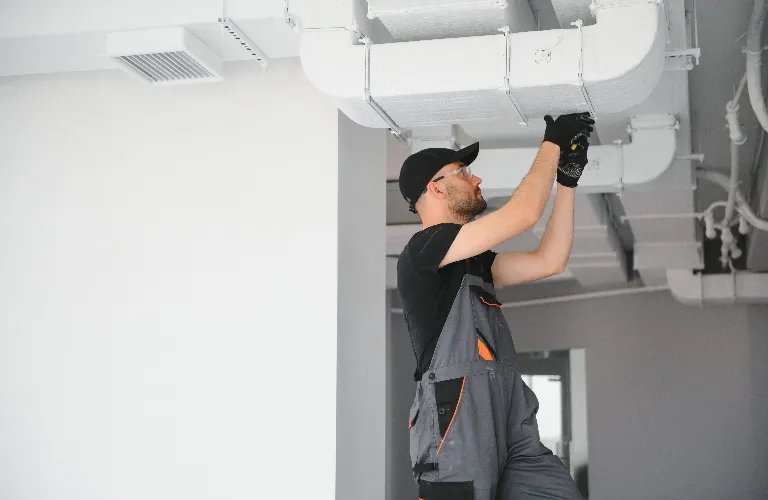
Some furnace work requires training and specialized instruments. Technicians can measure exhaust gases, adjust the burner, and check the color and shape of the flame. These steps keep the system operating efficiently and limits harmful emissions.
With proper care and cleaning a forced air furnace can last 15 to 30 years. Call Unified Home Solutions for regular maintenance or help with issues before the cold weather sets in.