


When temperatures drop into the teens and single digits, Connecticut homeowners find out quickly whether their heating system is up to the job. Between the state’s older housing stock, its mix of furnaces and heat pumps, and its share of genuinely brutal cold snaps, “the heat isn’t working right” can mean a dozen different things.
Sometimes only a qualified HVAC technician can sort out the problem. Knowing which symptoms point to which cause is the first step toward a fix that solves the problem.
Troubleshoot: Start With the Basics
Before assuming a major repair is necessary, rule out the simple culprits this way:
- Confirm the thermostat is set to “heat” and calling for a higher temperature than the room currently reads
- Check that the system’s power switch is on
- Inspect the air filter for buildup that can choke the system
When a Furnace Can’t Keep Up
If a gas furnace is running the but house still feels cold, even airflow or duct issues are a common suspect. Yet a furnace that’s cycling but not actually igniting properly can also fail to produce heat even while the blower continues to run.
Short cycling is when the furnace turns on and off in quick bursts without fully heating the space. This is often caused by a dirty flame sensor, a faulty limit switch, or an oversized unit that heats the space too fast and shuts off prematurely. Persistent short cycling or a furnace that won’t ignite at all typically calls for a technician rather than a DIY fix, particularly given the carbon monoxide risk tied to combustion equipment. Because combustion appliances like furnaces can produce carbon monoxide when malfunctioning, homeowners should confirm they have a working carbon monoxide detector on every level of the home, especially near sleeping areas.
Heat Pumps Behave Differently in the Cold
Connecticut’s heat pump installations have grown substantially in recent years, due in part to state incentives. Troubleshooting one is different from troubleshooting a furnace. Because a heat pump moves existing heat from outdoor air rather than burning fuel to create it, its output naturally declines as the temperature drops. A heat pump straining on a zero-degree night isn’t necessarily broken. Yet real problems do show up in winter:
- Insufficient heat is a common heat pump complaint, often the result of a dirty filter, low refrigerant, or a frozen outdoor coil
- If the outdoor unit’s defrost cycles run too frequently, or ice accumulates anyway, the system needs professional attention
- Older heat pump models, or those without a backup heat system can struggle when temperatures reach single digits, but this can be a system design issue as often as a true malfunction
Don’t Overlook the House Itself
Not every heating complaint can be traced back to the heating system. Connecticut’s older homes often have insufficient insulation in attics and exterior walls. In addition, exposed ductwork in unheated basements and crawl spaces force furnaces and heat pumps to work harder than normal. Leaking or poorly insulated ducts can waste a significant portion of heated air before it ever reaches an inhabited room. If one part of the house stays consistently colder than the rest even after a technician confirms the equipment is working properly, insulation and duct sealing are worth investigating.
Considering an Upgrade
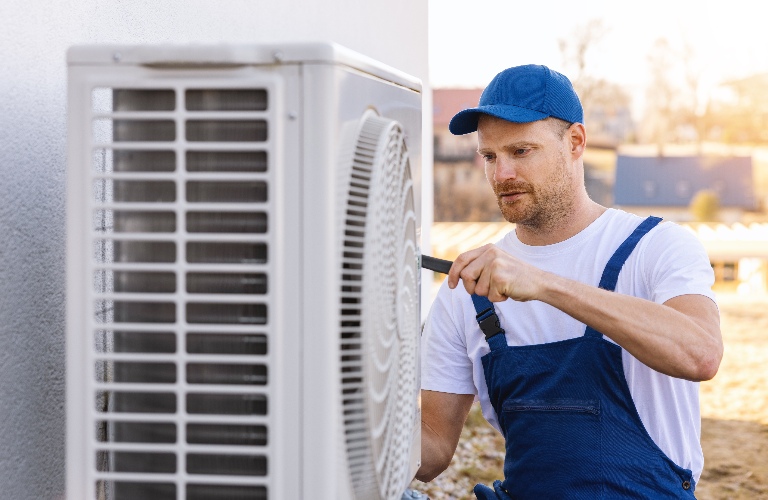
Homeowners weighing a system replacement should know that Energize Connecticut offers rebates for qualifying cold climate heat pumps and low interest financing through Connecticut Green Bank’s Smart E-Loan program. Requirements and rebate tiers change over time, so confirm current eligibility before budgeting for a project.
When to Call a Professional
A furnace that won’t ignite, a heat pump stuck in a defrost loop, or a house that never reaches a comfortable temperature despite a working system are all signs it’s time to call Unified Home Solutions. Unified services furnaces and heat pumps and can diagnose whether a cold weather heating complaint is a result of equipment issues, the ductwork, or the house itself. Call for a consultation and inspection.