

There is no good time to find out that your air conditioning system needs replacement, much less on a hot late-spring day. A failing AC rarely stops working completely, without sending warning signs.
Interpreting those warning signs is the job of an experienced HVAC technician. Recognizing when an AC system is failing can protect you from unnecessary repair costs and provide time to plan for a replacement.
Symptoms of an Impending AC System Failure
- Strange Noises You Haven’t Heard Before
When your system is running properly, it should emit no unusual sounds other than a steady hum. It should blow a steady stream of air and shut off when the room reaches the right temperature. Red flags include banging, hissing, rattling, or grinding sounds, which can indicate mechanical issues.
- banging noises can indicate a connecting rod, piston pin, or other mechanical part loose in the compressor
- hissing sounds could be a refrigerant leak, which requires immediate attention
- buzzing can be an electrical issue
- burning odors coming from your system when it’s running can mean the blower motor is overheating, or another electrical issue. Shut down the system immediately and call your HVAC company
- Short-Cycling Issues
When an AC unit turns on briefly, then shuts off, and immediately starts again, it’s called short cycling. This is a cycle that clearly signals issues, wastes energy, and causes premature system failure through wear and tear. It can wear out components like the motor and compressor. It also disrupts humidity control, causing uneven temperatures throughout the house. The causes of short-cycling include a dirty filter, low refrigerant levels, or a failing compressor.
- Weak or Uneven Airflow
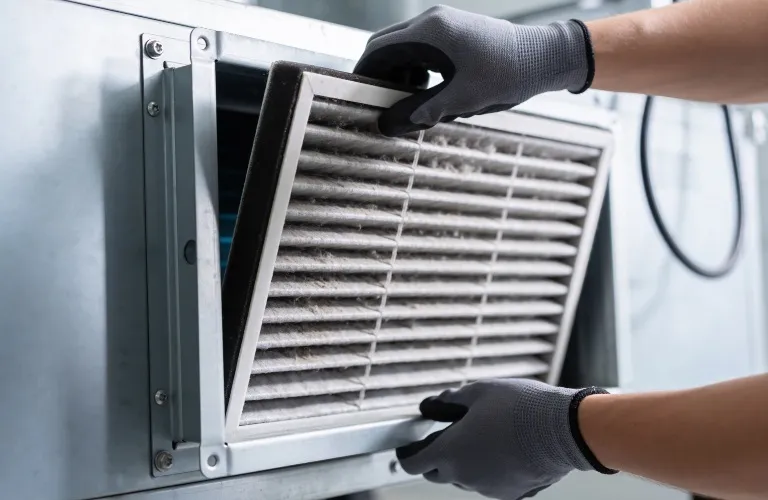
If some rooms cool appropriately while others stay too warm, it’s an indication the AC system is struggling. Causes include blocked vents, dirty filters, duct leaks, or a failing blower motor. While these issues seem minor, they can cause significant wear and damage if left unaddressed. Weak airflow causes a system to run longer, accelerating system failure. The condenser can fail after a prolonged period of trying to regulate the cooling cycle. If you have outdoor condenser coils, clean them frequently and keep foliage trimmed for optimal airflow. If the issue persists after a thorough cleaning, talk to a technician who can diagnose a mechanical issue.
- Energy Bills That Escalate Without a Clear Cause
When your electric bill slowly rises, it is frequently a result of a central air conditioning system that is working too hard. A major spike in energy usage can indicate a bigger, more urgent issue, such as significant malfunction. If this increase in costs is accompanied by a decline in the comfort of your home, it’s a strong indication that they are linked. Deferred maintenance of the HVAC system is a culprit that can be rectified.
- A System More than 10 Years Old That Needs Frequent Repair
The clearest predictor of imminent failure of your AC system is its age. Residential cooling systems usually last 12-15 years, depending upon their use. The calculation used by HVAC professionals is the age of the system multiplied by the estimated repair costs. If the sum is more than $5,000, it’s usually more effective to replace than repair the system. Homeowners should plan to replace any system at or over 15 years old, simply due to expected lifespan. When weighing options, look for rebates available on EnergizeCT.com that relate to replacing systems.
Next Steps for Connecticut Homeowners
Professional HVAC technicians at Unified Home Solutions urge homeowners to make an appointment for an inspection if one or more of the above symptoms is affecting your home AC system. Take care of any issues before Connecticut’s humid summer temperatures make an interruption of your cool air unbearable. Call for a consultation today.