


Ductless mini splits have become a favorite among Connecticut homeowners, prized for zoned comfort, energy efficiency, and the ability to heat and cool a room without adding ductwork. But like any HVAC system, they occasionally run into trouble.
A professional HVAC technician knows that two of the most common complaints are a unit that won’t cool the way it used to, and a unit that’s leaking water where it shouldn’t. Here’s what typically causes each problem, and when it’s time to stop troubleshooting and call a professional.
When a Mini Split Won’t Cool
Before assuming the worst, check the basics. The most frequent culprit of a mini split malfunctioning is a dirty air filter. Here are the items you should check first:
- Clean air filters every four to six weeks during heavy summer use. A clogged filter restricts airflow enough to noticeably cut cooling output.
- Incorrect settings are another common cause. Confirm that the unit is actually set to “cool” rather than “fan” or “dry” and that the target temperature is set several degrees below the room’s current temperature.
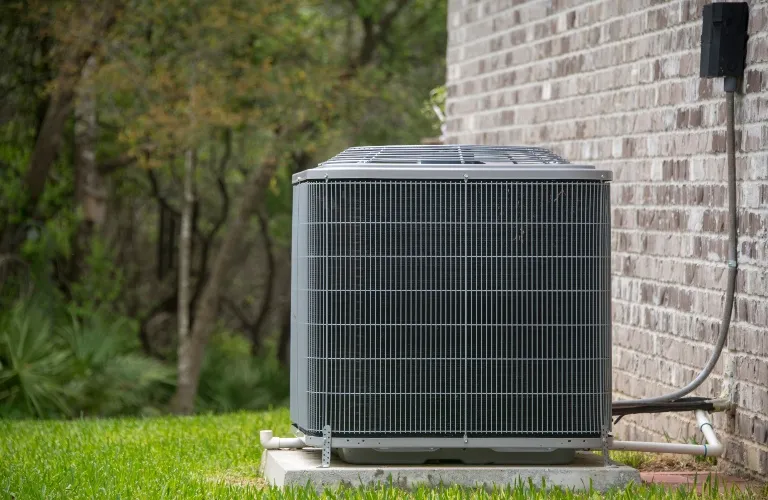
- A blocked condenser unit can’t release heat properly, which drags down cooling performance. Check for a buildup of leaves, mulch, or overgrown shrubs near the outdoor unit, and clear debris away.
- Ice forming on the indoor unit’s coil. This usually points to restricted airflow or low refrigerant, and running the system while the coil is frozen risks damaging the compressor.
- Excessive cycling. If a unit runs almost constantly but never quite reaches the set temperature, it may simply be undersized for the room’s square footage, ceiling height, and sun exposure.
When a Mini Split is Leaking Water
A leaking mini split almost always means there’s a drainage problem. Clogged condensate drain lines are the single most common cause. Over time, dust, algae, and debris build up inside the line and force water to back up and drip from the indoor unit instead of draining outside as designed. A dirty filter can produce the same symptom indirectly; restricted airflow lets the evaporator coil ice over, and the coil then drips as it thaws.
Two less common but more serious causes are worth flagging. A drain pan can crack or corrode with age, letting water bypass the drain line entirely. This is typically a job for a technician rather than a DIY homeowner. And, if the indoor unit wasn’t mounted perfectly level during installation, condensation can pool and overflow rather than draining properly, a problem traced back to the original installation rather than everyday wear.
When to Call a Professional
Certain signs call for a technician rather than a weekend project. These include:
- Low refrigerant. Any shortage of refrigerant means there’s a leak in the system. Because refrigerant handling is federally regulated, only an EPA-certified technician can legally recover, repair, or recharge it.
- Electrical issues. If a breaker trips repeatedly, if there’s a burning smell, or if a unit won’t power on at all, it’s time to call a professional.
- Leaks that persist after troubleshooting. If you’ve cleaned the filter and checked the drain line, or if you hear any grinding, squealing, or hissing sounds from the indoor or outdoor unit, call a professional.
A Connecticut Consideration
Connecticut’s humid summers put a strain on a mini split’s condensate system, so checking the filter more often can prevent problems before they start. But if problems persist with your heat pump call Unified Home Solutions for a diagnosis and the kind of efficient, professional repair expected from a business with decades of experience. Call for a consultation.