

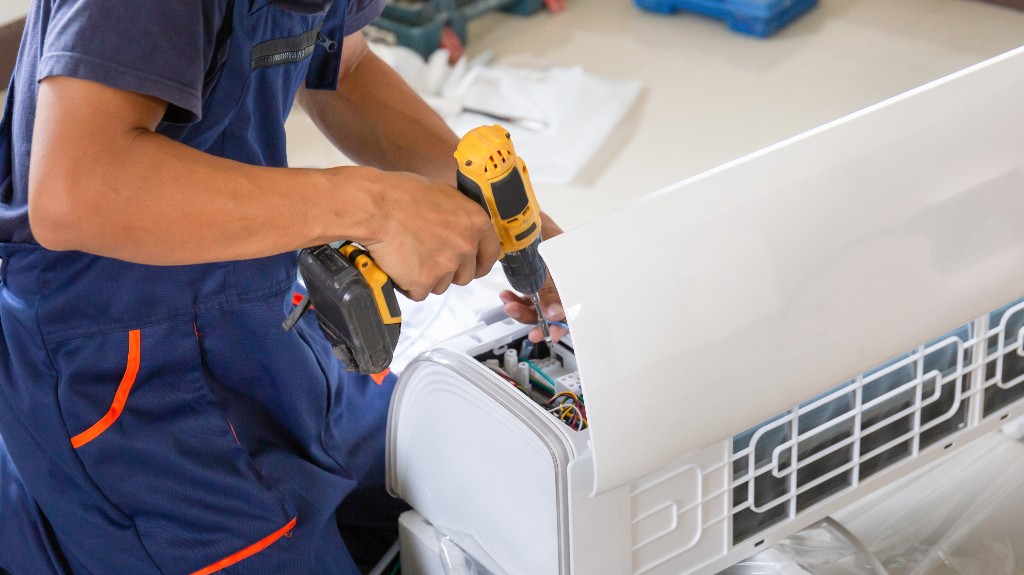
A home heating and cooling system is essential in Connecticut and comprises a significant part of your home’s value. The decision to repair or replace it can be difficult to make, yet there’s a point at which spending money on repairs becomes a losing proposition.
The decision to replace your system should be based on a consultation with a trusted HVAC professional in addition to clear indications that your current system is failing. The bottom line is, a system that needs frequent repairs is a candidate for replacement.
Four Signs That Your HVAC System Should Be Replaced
When an HVAC system is failing it can cease working suddenly or break down repeatedly over time, in a series of expensive repairs. It’s never convenient for it to break down, given Connecticut’s challenging climate. Here are the primary reasons for replacing a home HVAC system:
- The age of your system is a factor in its lifespan. Most furnaces, air conditioners, and heat pumps are expected to last 10-20 years, depending upon usage, the quality of their manufacture, and if they’ve been maintained regularly. Furnaces are most likely to last two or more decades.
The caveat to maintaining an aging HVAC system is that it loses efficiency as it ages, regardless of how well it’s maintained. That makes it more likely to break down under the strain of peak demand. In addition, finding replacement parts can be challenging when the unit is more than 20 years old. These factors often make it more cost-effective to replace an older unit rather than continuing to repair it.
- When repairing an aging system exceeds half the price of a new system, it makes more sense to spend the money on replacing the system. Some HVAC professionals also call this “the $5,000 rule.” This calculation is made by multiplying the age of the system by the cost of repairs. If the total exceeds $5,000, the recommendation is to replace the system.
- The utility bills tell the story. If an aging HVAC system costs more to operate than it did in previous years, it’s probably due to a loss of efficiency related to its age. If an older system is struggling to keep up with the heat and cooling needs of the home it’s in, the wear and tear of a prolonged winter can hasten its decline.
- Signs that an HVAC system is too old to save include:
- Weak airflow
- Rattling and banging noises
- Uneven heating and/or cooling throughout the house
- Frequently cycling on and off
Plan ahead. Experts say the best time of year to schedule a complete system replacement is spring or fall. That’s when demand is lowest and contractors’ schedules are most flexible, resulting in lower costs. Replacing a system in an emergency can be costly, including expediting shipping and prioritizing the work of one or more technicians with training in installation.
System replacements may qualify for energy efficiency incentives and programs through one or more of the following:
- EnergizeCT has rebate programs and other incentives to entice residents to switch to high efficiency systems, including low-cost loans for new equipment.
- Your utility provider may offer programs that assess home energy use and provide low-cost insulation and weather stripping, along with other solutions.
Making an Informed Decision With the Right Advice
Taking into consideration the age, condition, and efficiency level of your current home HVAC system can help determine how soon a replacement is necessary. A trusted HVAC repair and installation company like Unified Home Solutions can make an evaluation and recommendations for a course of action, providing a clear path to an energy efficient solution and peace of mind. Call for a consultation.