

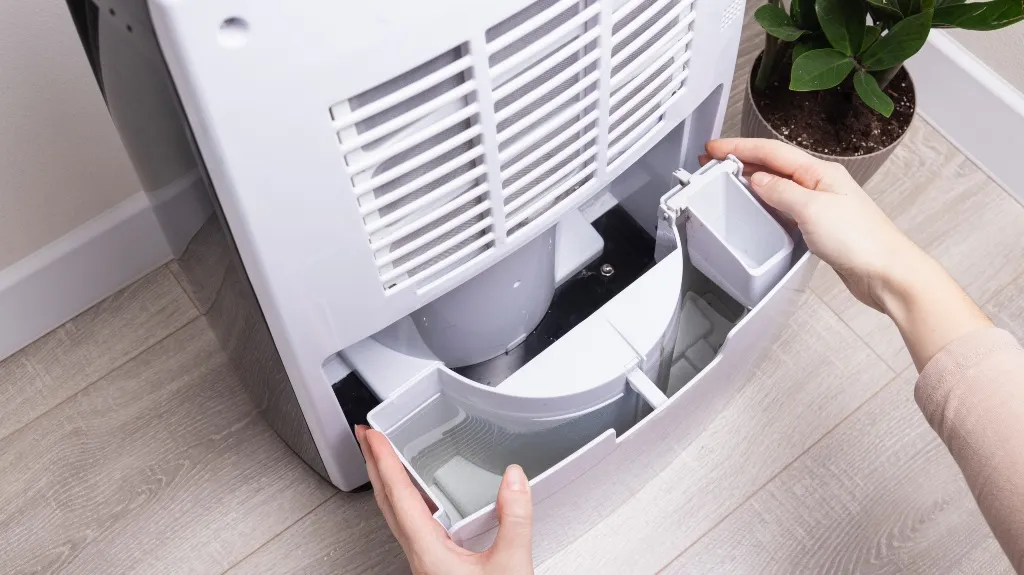
Humid air produces moisture inside homes in Connecticut. In summer, that can be a real problem along the coast and in the river valleys. Whole home dehumidifiers are essential to keep the humidity in check, at or below 50 percent. Lowering the humidity can extend the life of your air conditioning system, too.
Regular maintenance and being alert for signs of problems can keep your dehumidifier running properly. That means fewer issues with condensation, mold, and costly repairs. Getting it tuned up by a skilled HVAC technician is a simple part of making the whole summer more comfortable.
Six Indications That Your Dehumidifier Is Malfunctioning
Whole house dehumidifiers last 5-10 years on average. Be alert for these signs that your dehumidifier isn’t keeping up with the moisture in the air, and call a technician if any are present. Waiting too long to get it fixed can make it more expensive through utility bills or a cascading series of mechanical failures. Pay attention to the following:
The Air in Your Home Still Feels Moist
When humidity climbs inside your home, floorboards may start squeaking, condensation can form on the inside of windows, and your refrigerator may sweat. If your home feels sticky and stuffy despite the dehumidifier running, it’s probably not pulling enough moisture from the air. This can indicate a failing compressor or a faulty fan motor. Call a technician for a diagnosis.
The Dehumidifier Runs Constantly, or Not at All
If your dehumidifier never shuts off, it’s a red flag. The humidity sensor should trigger a pause when the air reaches the right level, but if it never pauses the sensor could be at fault. A bad humidistat, another an electronic component that communicates with the control board, may also cause the unit to run without stopping. If your dehumidifier never runs, however, it could be an issue with wiring, the control board, or the user interface. Any of these issues is likely to require professional help to fix.
If the Dehumidifier Makes Strange Noises
A dehumidifier should only emit a low hum in the background of your home. If you hear the unit banging or rattling, it could mean the fan motor is malfunctioning or a mounting bracket is loose. If these issues aren’t addressed they can lead to bigger problems. Similar attention should be paid to screeching or squealing noises, which signal mechanical malfunction. Don’t ignore these symptoms; call for a technician to visit right away.
Water Leaks or Drainage Problems
A leaking dehumidifier indicates that it is not working properly. Excessive water can promote mold growth, which is contrary to the purpose of having a dehumidifier running. Drainage problems are similar, as accumulated standing water can overtax the system. Whole home systems that have drain lines should be checked periodically for disconnected or clogged drains.
Frost Forming on the Evaporator Coil
Evaporator coils that form ice are a strong indication that part of the system is malfunctioning, including the humidity control, the fan motor, or the thermostat. The frost itself is more than a symptom, as it can cause failure of the dehumidifier unit. Shut off the unit to let the frost melt and call an HVAC technician to test and diagnose the issue.
Filters That Are Clogged or Dirty
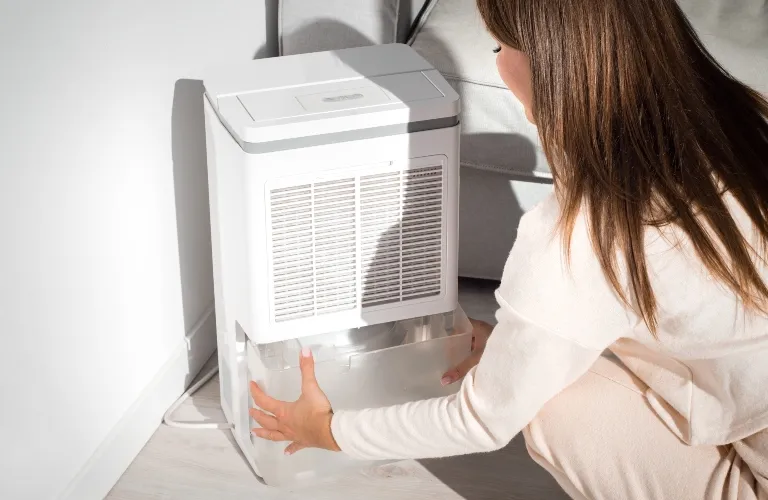
The simple process of checking and replacing air filters in a dehumidifier can be done by a homeowner without specialized training. It’s one easy step that can prolong the life of the appliance and should be the first step in troubleshooting a dehumidifier that’s not working as it should. A dirty and clogged filter can place additional strain on the motor, also potentially trapping mold and providing poor air quality. Whole home dehumidifiers require new filters every 6-12 months, depending on manufacturer’s guidelines.
Preventative HVAC Maintenance Extends the Life of Your System
Annual servicing is the minimum maintenance required for an HVAC system, including the whole house dehumidifier, to keep everything running properly and humidity in check. Call Unified Home Solutions for an analysis of your HVAC system’s efficiency.