

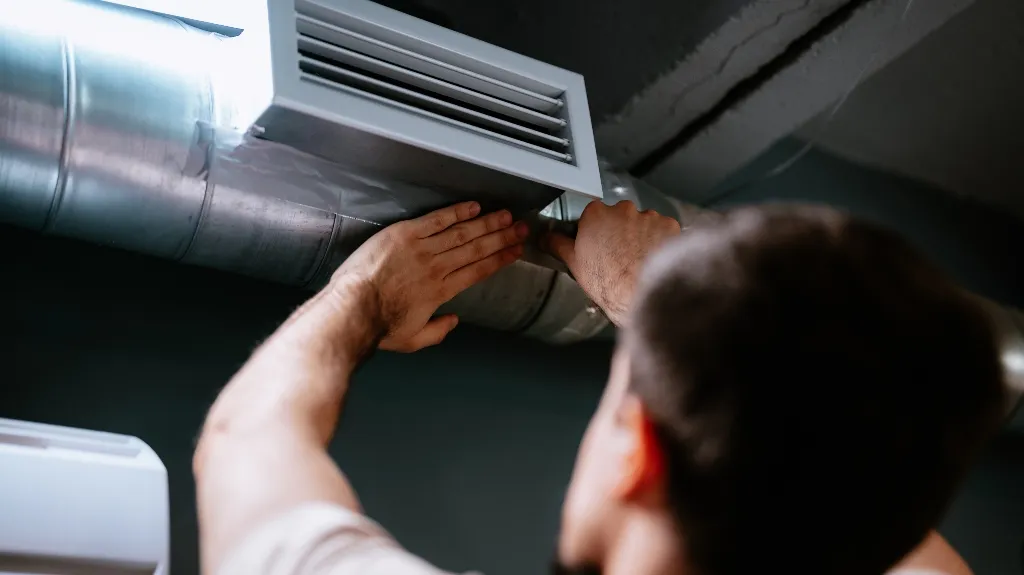
Ductwork is the distributive part of your HVAC system, tucked inside the walls of your home, that directs heated or cooled air. It’s easy to forget that it’s there until something goes wrong. Knowing the condition of the ductwork in your Connecticut home can help make sense of a higher-than-usual energy bill, pest infestations, or other issues.
An experienced HVAC technician can help diagnose issues with your home’s heating and cooling system, including when the ducts may be worn or leaky. Having your home HVAC system examined regularly is one way to stay on top of concerns before they become expensive repairs.
Repair or Replace? Answers to Your HVAC Ductwork Questions
Deciding whether to repair or replace ductwork can be a difficult call to make. Repairing leaky ducts often save 10 percent to 40 percent on energy bills, making your home more efficient and reducing the strain on your furnace or heat pump. But sometimes that isn’t enough. Read on for answers to common questions on the topic.
Q: How long will the ductwork in my home last?
A: Most ductwork lasts about 15 years, which is about the same as the HVAC system itself. Minor damage can be repaired, but when ductwork is 15 years old or older, it is usually deteriorating and in need of replacement. Old ductwork is less flexible and prone to disintegrating, producing leaks that rob your living spaces of the heated or cooled air your HVAC system is pumping. A system with older ductwork can lose as much as 20 percent of its efficiency, which is significant in Connecticut.
Q: How do you decide between repairing and replacing ductwork?
A: If the damage is limited to a small area, like a crack or a hole, and it is new or not showing much wear, then minor leaks can be sealed. Ductwork can be made from a variety of materials, like fiberglass, metal, and flexible plastic, that is either lined with or wrapped in insulation material, which can dictate the repair protocol.
A technician’s analysis of your ducts should provide a clear indication of the system’s age and condition, by:
- Determining what it is made of. Some materials last longer than others, particularly under stress of prolonged heating and cooling seasons.
- Pressure testing with a fan and gauge to learn if air is leaking, and how much.
- Identifying the location and size of any leaks.
Having a complete picture of the system’s condition provides data for recommending repairs or replacement.
Q: What is the threshold for replacing ductwork?
A: There are several factors in deciding whether replacing ductwork is necessary. When the duct is so damaged that it affects airflow by restricting it or leaking significantly, it can be more cost effective to replace it than attempting to repair it.
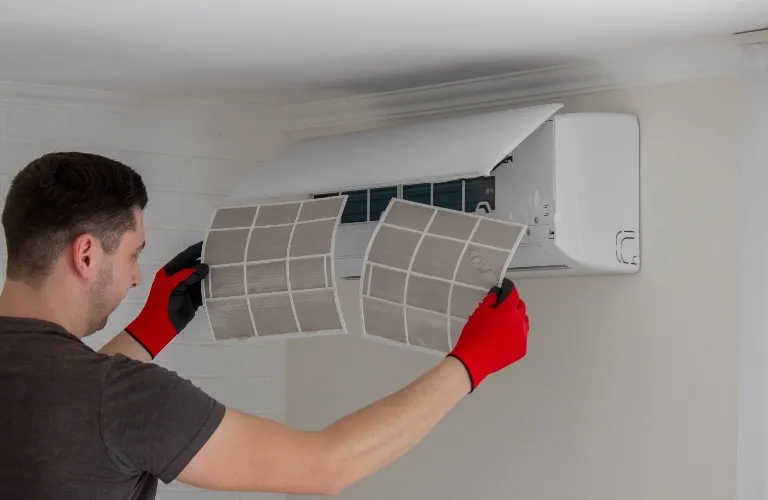
Pest infestation is a strong indicator that ductwork should be replaced. Cracked or unsealed ducts allow insects and rodents to enter homes. If a home owner is seeing evidence of nests, droppings, or the pests themselves, replacing ductwork should be investigated.
Air quality can suffer from worn out ducts, including from the development of mold. If a thorough cleaning doesn’t end mold-related symptoms (such as allergic reactions or excessive dust), replacing the ducts may be the only solution. Degraded ductwork gives mold lots of places to take hold.
Q: How much does it cost to replace ductwork?
A: Part of the cost of repair or replacement hinges on how accessible the ductwork is. Repairing minor leaks can cost $200-$700, sealing ductwork starts around $500 and can run to $2,500.
Full replacement of ductwork averages $1,400 to $5,500, depending on the size of the home. Accessing ductwork in the crawl spaces of older Connecticut homes is often more: $3,000 to $7,000.
Consult a Trusted HVAC Expert for Advice
When you partner with an HVAC company for regular maintenance of your system, they become trusted experts you can turn to with tough questions. The Unified Home Solutions team is exactly that: your HVAC partners who will guide your decision making with facts and evidence from the system in your home. Call for a consultation today.