

Do some areas of your home feel more comfortable in winter than others? That’s not uncommon during Connecticut’s frosty weather, when an outdated or inefficient heating system has trouble providing consistent warmth.
Trying to maintain an older heating system can be frustrating, both financially and in terms of physical comfort. Consulting with a qualified HVAC professional can result in short-term solutions but patching up an inefficient system can still be costly. For many Connecticut homeowners, winter comfort can be a challenge, especially when some rooms feel toasty while others remain uncomfortably cold.
Causes and Cures of Imbalanced Heat in Your Home
Uneven heat can be a frustrating problem as your system works to heat rooms that stay cold. Higher-than-usual bills are another part of the problem: It often costs more money for less heat as your system works overtime to compensate.
When rooms of your home feel chilly despite the thermostat being set at a reasonable temperature it’s often a result of several factors. These can include:
- Poor airflow. Check the cold areas of your home for restricted airflow. This can include furniture or rugs blocking vents that deliver warm air or, similarly, items blocking the return vents that deliver cool air to the furnace. Sometimes, closing off a room that isn’t frequently used is the wrong decision (you may do it to save on heating bills) because it creates an imbalance in the heating system.
- Dirty filters. Clogged filters can prevent warm air from reaching the rooms farthest from the furnace. This lack of basic maintenance can also cause the heating system to work overtime to pull air through dirty filters. Make sure filters are replaced every 3 months at a minimum.
- Ductwork leaks. Ducts should be sized specifically for your home and your HVAC system. They should also be inspected periodically to check for leaks that make heat delivery inefficient. Nearly a third of household heat is estimated to be lost through poor ductwork.
- Insufficient insulation. Rooms that abut uninsulated parts of the house like an unheated garage are most likely to suffer cold spots. Ensuring that there’s enough appropriate insulation in exterior walls or between a heated and an unheated space is critical to reducing cold spots. Similarly, windows and doors can be drafty, so investing in sealed, double-pane glass and using insulating strips to reduce gaps will improve your heating system’s efficiency. Organizations like EnergizeCT.com offer energy audits and rebates or incentives to purchase energy-efficient appliances, windows, and doors as well as new heat pump systems.
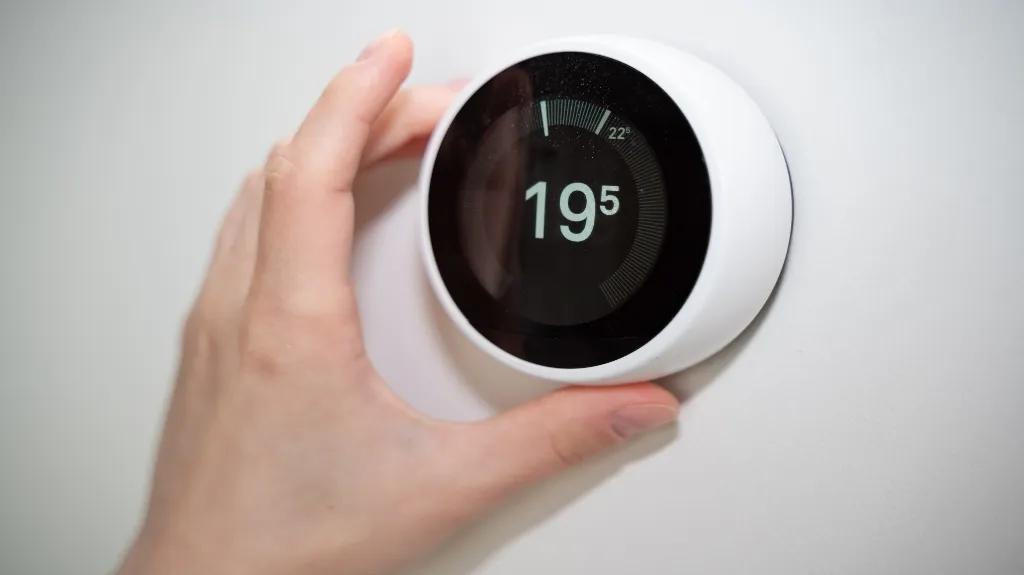
- Thermostat location. If your thermostat is located in a warm area, such as a sunny room or near a well-used kitchen, it may not trigger the system to turn on often enough to keep all rooms heated evenly. Moving the thermostat or changing to a smart thermostat that uses remote sensors are ways to make sure all rooms are warm.
A solution to your home’s cold spots may be adding zones and providing supplemental heat sources. Zoning can include adding mini-splits to rooms that need a boost in heat or cooling without overtaxing an existing whole house system.
If you have investigated all of the easy reasons why your home has cold spots by changing filters, moving furniture, testing ducts, and adding insulation, yet you still have cold spots, it’s time to talk to a professional.
Talking to a Connecticut HVAC Professional Can Help
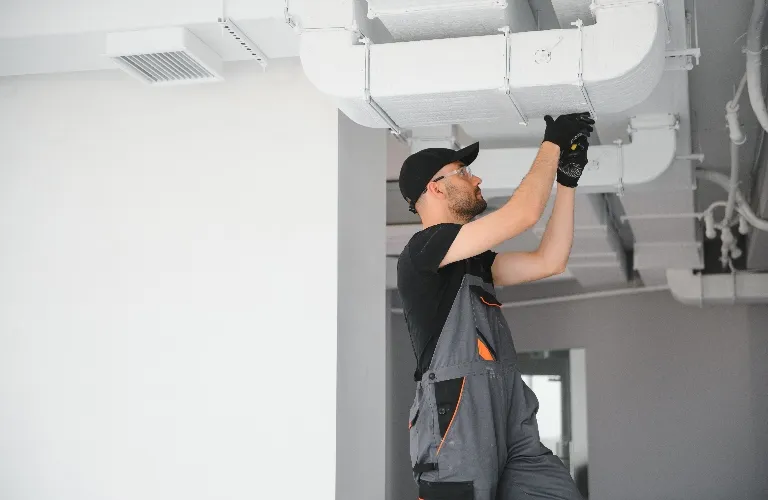
Suffering through winter with cold rooms is an uncomfortable way to live that disrupts your enjoyment of your home. Make an appointment to discuss your home’s needs with an HVAC professional from Unified Home Solutions who knows Connecticut. Replacing outdated ductwork, adding a mini-split, or planning the replacement of an outdated heating system are all possibilities. Call for a consultation today.