

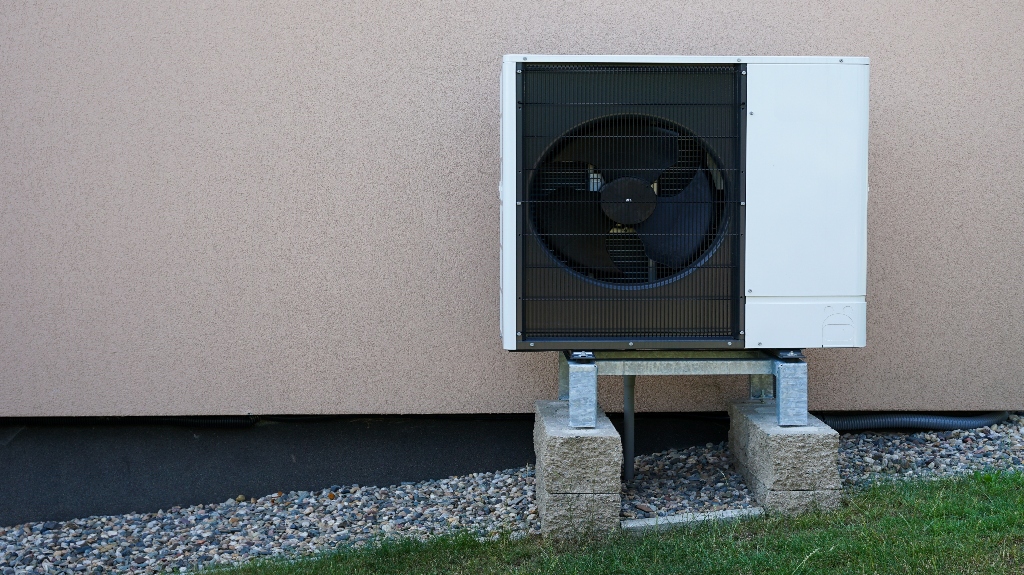
Energy bills can be a significant expense for Connecticut homeowners. That’s no surprise, given the region’s frigid winters and humid summers. Traditional home systems that involve oil furnaces or electric resistance heat are inefficient and costly to run. This outdated technology is being replaced by heat pumps in the state’s older homes.
A trained HVAC professional can explain how a modern heat pump reduces energy usage, lowers utility bills, and provides both heating and cooling in a single system. Learn how the technology works and how much energy and money it can save.
How Heat Pump Technology Works in Connecticut Homes
Unlike traditional furnaces and boilers, heat pumps do not burn a fuel source on site to make heat. Instead, heat pumps use electricity and a coil of a liquid refrigerant to move heat from one location to another (bringing heat inside in winter and transferring it to outside in summer). They are electric but are different from traditional electric baseboard heat, which relies on activating an element (like a wire) that heats up to warm the room.
In terms of efficiency, electric resistance systems such as electric baseboard heat are the least efficient ways to heat a home. Consider these statistics:
- Heat pumps can reduce electricity use by up to 75 percent in comparison to electric resistance heat.
- Air-source heat pumps are 2-3 times more efficient than traditional systems.
Heat pumps are more suitable for Connecticut now than in the past. Newer systems work better in cold weather than first-generation heat pumps did. Fewer now need a back-up system for extreme cold due to improvements in heat exchange technology.
Additionally, the options of ducted or ductless heat pumps allow installation in almost any home, adapting to the building’s existing infrastructure.
Properly sizing a system for the building is a critical aspect of it performing optimally. A split system will perform both heating and air conditioning duties, with units inside and outside of a home. When cooling interior air, a heat pump is more efficient at dehumidifying air than a traditional air conditioning unit.
Making a Heat Pump Work in Your Home
Making the most of HVAC technology requires improving insulation. Sealing air leaks around windows, doors, and the chimney as well as making sure there’s updated insulation in the walls and on the floor of the attic will further reduce energy usage and strain on your HVAC system. Connecticut and many other states offer energy audits to identify your home’s insulation efficiencyand pinpoint where improvements can be made.

Energy audits and incentives can make adoption of heat pump technology more affordable. Use EnergizeCT.com to find resources that can evaluate your home’s energy efficiency, provide rebates, and provide links to programs that reduce the costs of utilities. Some residents are eligible for a 30 percent tax credit on heat pump installations. In addition, Connecticut Green Bank has a Smart-E loan program for low-interest financing to help homeowners take advantage of more efficient HVAC technology.
When combined, the purchase and financing incentives as well as long-term savings over utility costs of traditional heating and cooling systems add up. Heat pump technology is within reach of most Connecticut homeowners interested in a lasting solution to high energy bills.
Discussing Options with an HVAC Professional
It’s clear from compelling evidence that heat pumps provide a more efficient way to warm and cool homes in Connecticut. These systems lower utility bills as well as carbon footprints for owners. Discussing options with a trained HVAC professional from Unified Home Solutions is the next step: find out which heat pump option and the specifics (ducted or ductless) as well as size are best for your home.