

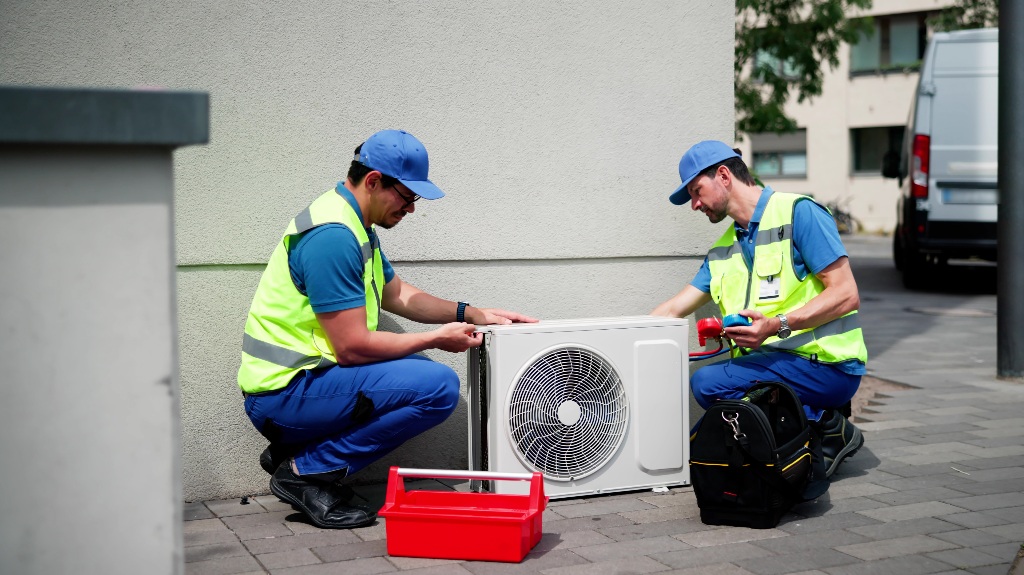
Seasonal swings in Connecticut’s weather strain home heating, ventilation, and air conditioning systems (HVAC) with high humidity, ice, heat, and bone-chilling temperatures. Ensuring that your system is in top condition is an investment in its longevity as well as in the value of your home.
Having a trained HVAC technician maintain and tune up your system at least annually will help to avoid costly breakdowns, keep it running as efficiently as possible, and provide comfortable conditions during the worst of New England’s weather fluctuations.
Maintenance is the Foundation of Preparedness
Having your HVAC system checked, tuned, and maintained by a professional technician twice a year is the gold standard for staying on top of any potential issues. This allows them to find and fix small problems before the issues interrupt the efficient operation of your system. Things like worn belts, dirty coils, leaks, or thermostat problems seem insignificant but may spiral into bigger issues as the heating or cooling season strains the system’s capabilities.
During a thorough inspection, the technician will also check the burners, refrigerant level, vents, ducts, and switches for safe and reliable operation.
As a homeowner, there are several tasks you can do during the season that will boost the safety and reliability of your system:
- For safety, start the heating or cooling season with new batteries in your carbon monoxide and smoke detectors.
- Replace HVAC air filters every 1-3 months to optimize the efficiency of your system.
- Check vents and returns to make sure they’re not blocked by furniture, rugs, or clogged by dust.
Learn how to reduce air leaks that can reduce the efficiency of your HVAC system. Consider the following tasks to make the most of your system’s heating and cooling capabilities:
- Check ductwork for gaps or disconnected sections by identifying rooms with insufficient air flow through vents. Call a professional to make repairs.
- Fix or replace insulation in crawlspaces and the attic if it is old or insufficient.
- Apply weatherstripping around leaky windows and doors to reduce or prevent drafts.
Know when to call a technician. If your HVAC system develops any odd noises, strange odors, or runs too frequently, call for a checkup. The issue could be a misfiring switch, clogged nozzle, or worn belt that can be the beginning of more serious issues. Stop, look, and listen for the following:
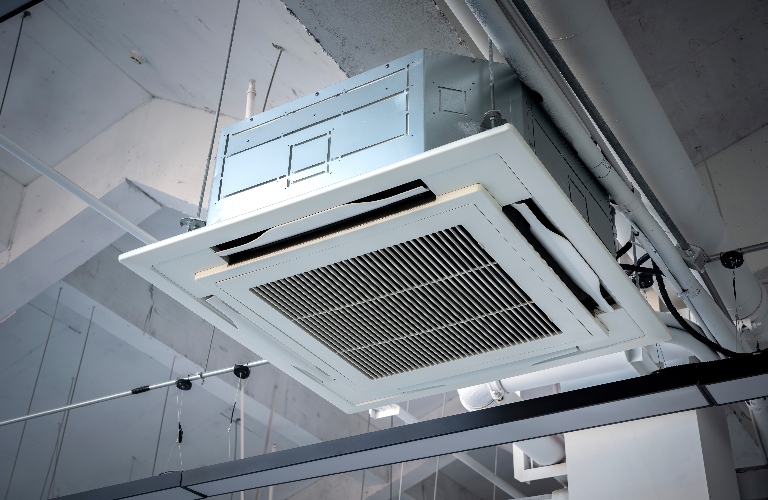
- Reduced or uneven air flow in rooms that can be a sign of blocked vents or disconnected ducts.
- Short cycling, when your HVAC system starts and stops frequently, can be an indication of worn out electrical parts, thermostat issues, or another malfunction.
- A sudden spike in your electrical bill is a sign of an inefficient system that may need repair. (Likewise, if you’re using much more oil or gas than in the past, check the HVAC for efficient operation.)
- Changes in your indoor air, such as unusually dry air or too much moisture collecting on windows and developing into mold.
Remember to check the outside unit (first, turn it off for safety). Check your heat pump’s outdoor condenser unit periodically to remove leaves, sticks, and other vegetation around it. During winter, clean accumulated snow off and do not encase the unit completely with any sort of cover as that can trap moisture that causes rust and otherwise blocks air flow.
Make Preparedness Top of Mind
Beyond keeping your home comfortable, an HVAC system goes a long way to preserving your home’s value. The technicians at Unified Home Solutions can help you stay on top of seasonal maintenance needs by providing professional service and prompt repairs. With regular care your HVAC system will repay you in peace of mind.